The Allure of Chance
The inherent allure of chance serves as a powerful motivator for individuals drawn to casino games. The unpredictable nature of games such as roulette or slots ignites excitement, as players eagerly await outcomes that are ultimately beyond their control. This uncertainty generates an adrenaline rush, activating the brain’s reward system in a manner reminiscent of other high-stakes scenarios, including options like crypto betting exchange vodds that enhance the thrill. The thrill of potential windfalls can induce a euphoric state, commonly referred to as the “gambling high,” which significantly contributes to the attraction of casino gaming.
Additionally, the phenomenon of “near misses” plays a pivotal role in reinforcing this allure. When players find themselves just shy of winning, such as landing on a single number away from a jackpot in roulette, their brains respond positively, reinforcing the behavior of continued play. This creates a feedback loop that encourages individuals to persist, as they believe they are on the brink of a win. The persuasive nature of near misses can lead to prolonged gaming sessions, with players convinced that a significant payout is imminent.
Understanding the psychological principles underlying chance can elucidate why many individuals are drawn to gambling. Cognitive biases, including overconfidence and the gambler’s fallacy—where players mistakenly believe that previous outcomes influence future results—can cloud judgment. This misperception fosters the notion that luck will improve with continued play, further embedding individuals into the gambling cycle. Casinos adeptly leverage these psychological tendencies, crafting environments designed to keep the thrill of chance ever-present.
The Role of Environment
The physical design of casinos has a significant impact on player behavior, deliberately creating an environment that encourages continued engagement. Many casinos utilize vibrant colors, enticing sounds, and intricate lighting to establish a captivating atmosphere. Every element, from the arrangement of slot machines to the layout of gaming tables, is meticulously planned to encourage players to linger and immerse themselves in the experience. This sensory stimulation can amplify emotions, making players more prone to impulsive decisions.
Moreover, the strategic absence of clocks and windows in numerous casino designs contributes to a disorientating experience, where players easily lose track of time. This psychological tactic ensures that individuals are less likely to interrupt their gambling sessions with the reality of the outside world. The relentless competition for players’ attention fosters a setting where immersion is effortless, often resulting in extended play and increased expenditures.
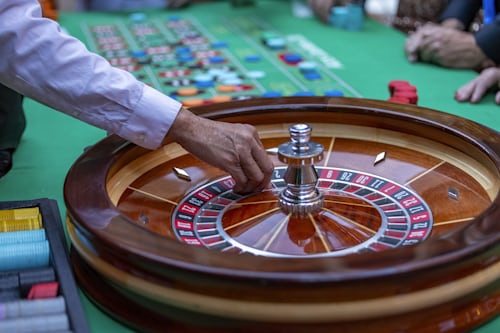
Additionally, the presence of other players can heighten the excitement and emotional engagement associated with gambling. Social interactions within casinos can foster a sense of community, enhancing the enjoyment derived from the games. Players often feed off one another’s energy, celebrating wins together and commiserating over losses. This communal dynamic amplifies the overall experience, making it challenging for individuals to detach from the gaming environment.
Emotional Influences on Decision Making
Emotions play a pivotal role in the decision-making processes of casino-goers. Players often approach casino games with a range of emotional states, significantly influencing their behavior. For example, individuals seeking an escape from stress may turn to gambling as a coping mechanism, often leading to riskier behaviors and larger bets. Conversely, those in a positive emotional state may feel encouraged to take chances, believing that luck is favoring them.
This emotional volatility can result in what researchers term “loss chasing,” which describes the tendency for players to continue gambling in the hope of recouping losses. The frustration stemming from consecutive losses can drive individuals to make irrational decisions, leading to increased financial risk. This behavior is particularly evident during losing streaks, when individuals become fixated on recovering their losses rather than assessing the odds and making informed choices. The emotional attachment to the game can cloud judgment, leading to poor decision-making.
Moreover, emotional responses can also influence how players perceive their experiences. Winning can amplify feelings of joy and satisfaction, reinforcing the desire to continue playing. In contrast, losing can evoke disappointment or anger. Recognizing these emotional currents can assist individuals in navigating their gaming experiences more effectively, fostering a healthier relationship with gambling activities.
The Impacts of Gamification
Gamification, the process of incorporating game-like elements into non-gaming contexts, has emerged as a prevalent strategy in casinos to enhance player engagement. Features such as loyalty programs, achievements, and progress tracking are designed to motivate players to return and participate more frequently. By rewarding players for their engagement, casinos cultivate a sense of accomplishment that encourages continued play, reinforcing the positive feelings associated with gaming.

Additionally, the implementation of leaderboards and competition among players can stimulate a desire to excel. This competitive atmosphere drives players to engage more thoroughly, as they seek higher rankings and rewards. The social comparison inherent in these gamified systems adds another layer of motivation, as players strive to outperform one another, further embedding themselves within the gaming culture.
The psychological impact of gamification is profound. By transforming traditional gambling into an interactive experience, casinos can significantly influence player retention and profitability. Players often become invested in their progress and accomplishments, forging a deeper emotional connection to the gaming environment. This dynamic ultimately supports prolonged engagement and can lead to extended gaming sessions, making gamification a crucial element of the modern casino experience.
Understanding Responsible Gaming
As insights into the psychology behind casino games continue to evolve, the importance of promoting responsible gaming practices becomes increasingly clear. Acknowledging the emotional and psychological factors intertwined with gambling empowers individuals to make informed choices. Responsible gaming initiatives aim to educate players about the risks associated with gambling while providing essential tools and resources to help manage their behavior. By fostering awareness, individuals can enjoy gaming within healthy limits.
Integrating responsible gaming measures within casino operations is vital for creating a safe gaming environment. This encompasses offering self-exclusion programs, implementing deposit limits, and providing access to counseling services for those in need. Such strategies not only support players but also contribute to a more sustainable gaming landscape. By prioritizing the welfare of participants, casinos can cultivate a positive relationship between entertainment and responsibility.
Ultimately, understanding the psychological underpinnings of casino games can guide players toward healthier gambling practices. By recognizing emotions, environmental influences, and gamification elements, individuals can develop strategies that enhance enjoyment while minimizing potential negative consequences. This comprehensive approach ensures that gaming remains a pleasurable and safe activity for everyone involved, benefitting both players and the industry at large.